Spiritual Growth
Seek spiritual development to find the purpose of your life, develop Atma (soul consciousness) and find inner peace and enlightenment through the tested wisdom of Sanatan Dharma.
कर्मण्येवाधिकारस्ते मा फलेषु कदाचन। मा कर्मफलहेतुर्भूर्मा ते सङ्गोऽस्त्वकर्मणि॥
You have the right to perform your duty, but not to the fruits of your actions. This verse is the foundation of spiritual discipline and self-control in the Sanatan Dharma way of life — act fully, and release attachment to outcome.
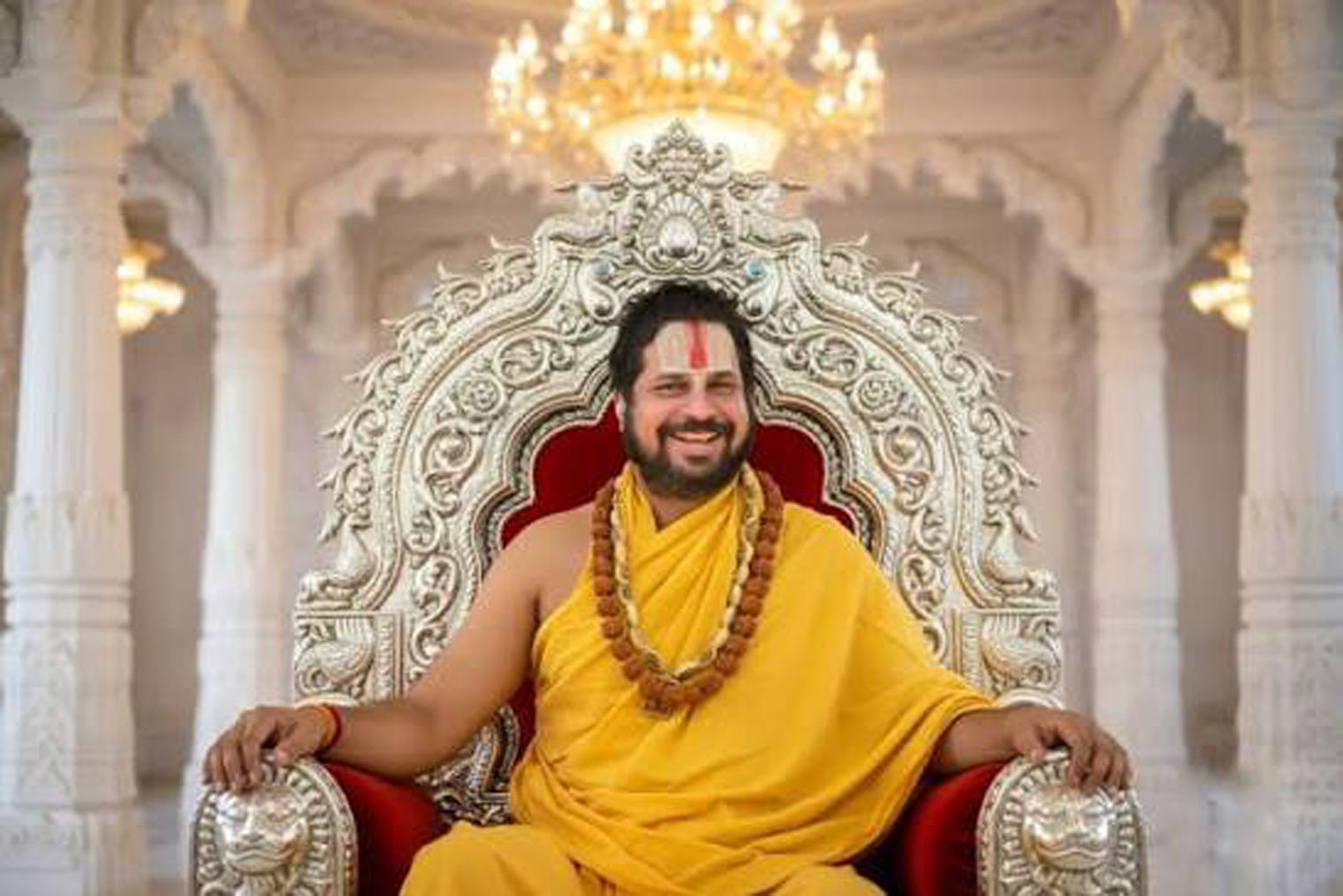
Located in the ever-changing city of Noida, Maharshi Ashram in Sector 110 faces the challenges of modern life, leaving no room for calm. Jagadguru Ramanandacharya Swami Satishacharya Ji Maharaj takes a direct approach to this, in the timeless way of spiritual development rooted in the essence of Sanatan Dharma.
Spiritual growth is not separate from the daily life. It shapes how you think, respond, and move through each day. Those who stay committed to this path notice real changes:

Chronic restlessness and mental fog are replaced by inner peace and enlightenment.

Quiet prayer and honest introspection, done regularly, develop Atma (soul consciousness) in ways that nothing else quite does.

Emotional balance, spiritual discipline and self-control decrease reactive behaviour.

This sense of purpose is stronger when engaged in actions aligned with the Dharma principle each day.

The fruits of righteous living (Dharma principles) are compassion, patience and gratitude.

A foundation of Hindu Spirituality teachings brings clarity to personal and spiritual decisions.
Spiritual growth in Sanatan Dharma comes through daily practice, not a single moment of inspiration. Guruji has written over 47 religious texts and set up more than 1,700 meditation centres across India the work of someone who takes accessibility seriously, not just reach.

Spend time each day in meditation for spiritual awakening to build higher consciousness and awareness.

Attend Ram Katha and satsang pravachan to build a clearer understanding of Sanatan Dharma.

Read texts such as the Ashtavakra Gita, which Guruji has rewritten in simplified Hindi so that scriptures once limited to Sanskrit scholars reach a much wider readership.

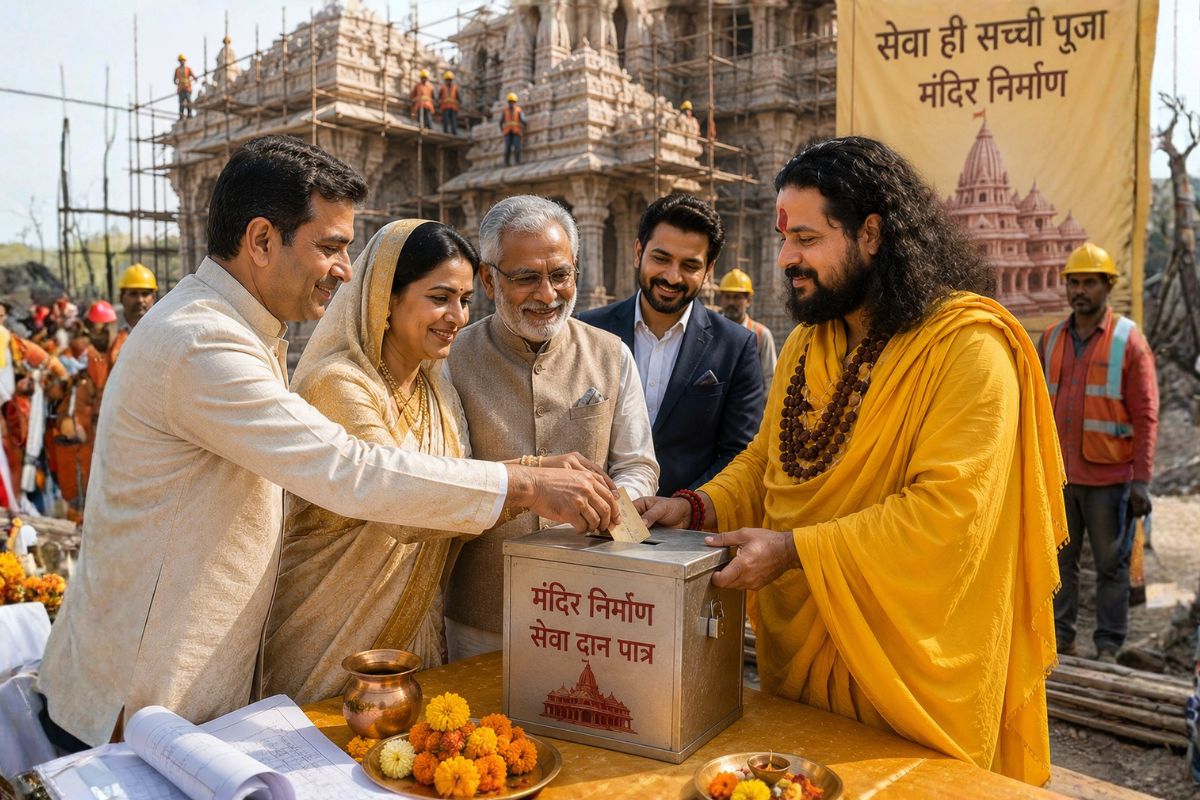
Practice selfless service (Seva) as a direct expression of the law of karma in Hinduism and the power of devotion (Bhakti Yoga).

Live with honesty, mind control, and self-mastery to support self-realisation in daily conduct within Hinduism.

Stay consistent because liberation from the cycle of birth and death is attained through sustained divine connection and universal truth, not through overnight effort.

Daily meditation for spiritual awakening trains the mind toward self-mastery and draws the seeker toward self-realisation in Hinduism. It is the most direct daily spiritual practice for accessing higher consciousness and awareness.

The power of devotion, or Bhakti Yoga, builds divine connection through sincere, regular practice. Chanting with awareness aligns the inner self with universal truth rather than with distraction.

Regular Satsang with a qualified teacher grounds Hindu spirituality teachings in lived experience. It corrects misunderstandings and sustains the seeker through consistency.

Studying ancient Vedic scriptures gives spiritual practice its philosophical foundation. Swadhyaya builds the mind control and self-mastery needed to sustain spiritual growth over time.

Dharma principles govern speech, relationships, and conduct. The Sanatan Dharma way of life makes ethics and spirituality inseparable, so that righteous living becomes the framework for all daily decisions.
It is the deepening of awareness toward the self, the divine, and the principles that govern existence. Hindu spirituality teachings define it as the conscious journey from ego-driven living toward Atma (soul consciousness).
Start with one consistent daily spiritual practice — meditation, prayer, or scripture study. Seeking guidance from a realised teacher ensures the effort is correctly directed from the first step.
Reduced anxiety, steadier decisions, growing compassion, less reactivity, and a natural pull toward righteous living and divine connection are all recognised signs.
Meditation is central but not sufficient on its own. Spiritual growth in Sanatan Dharma requires Karma, Bhakti, Swadhyaya, and Seva together, each addressing a different dimension of the seeker.
The way to moksha, the liberation from the cycle of birth and death in Hinduism, is righteous living, devotion, and self-realisation. This way is open to all honest seekers, irrespective of status in life.
Spiritual growth happens through daily practice. Prayer, meditation for spiritual awakening, satsang, and righteous living (Dharma principles) steadily build Atma (soul consciousness). Under the guidance of Jagadguru Satishacharya Ji, this path is made practical for every seeker.
Yes. Hindu spirituality teachings are not reserved for renunciates. Those who follow Sanatan Dharma describe a shift that shows up in daily life, calmer responses, less mental clutter, and a groundedness that does not depend on external circumstances.